
Categories:
Anatomy • Lifestyle • Philosophy • Playlists • Poses • Poses of the Month • Teaching

Whether good or bad, all karma is stored or imprinted as patterns in the consciousness and may manifest its fruits in either this life or the next.
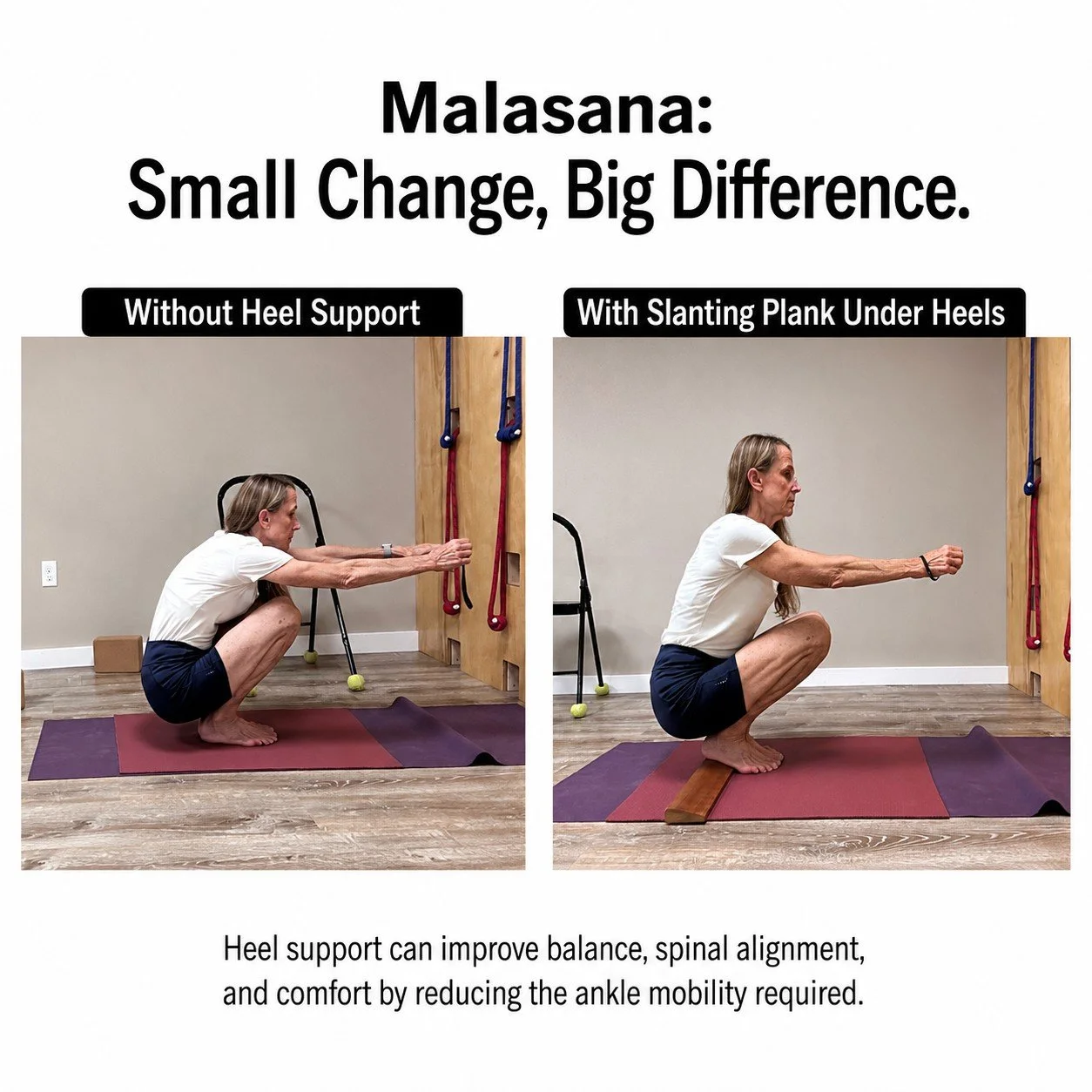
Using props isn't "making it easier"—it's making the pose more accessible and allowing your body to experience its intended benefits with better alignment.

The kleshas can be eradicated through a process involution which includes kriya yoga and meditation.

The second chapter of the Yoga Sutras begins with an introduction of kriya yoga, its effects and a discussion of the kleshas, which it removes.
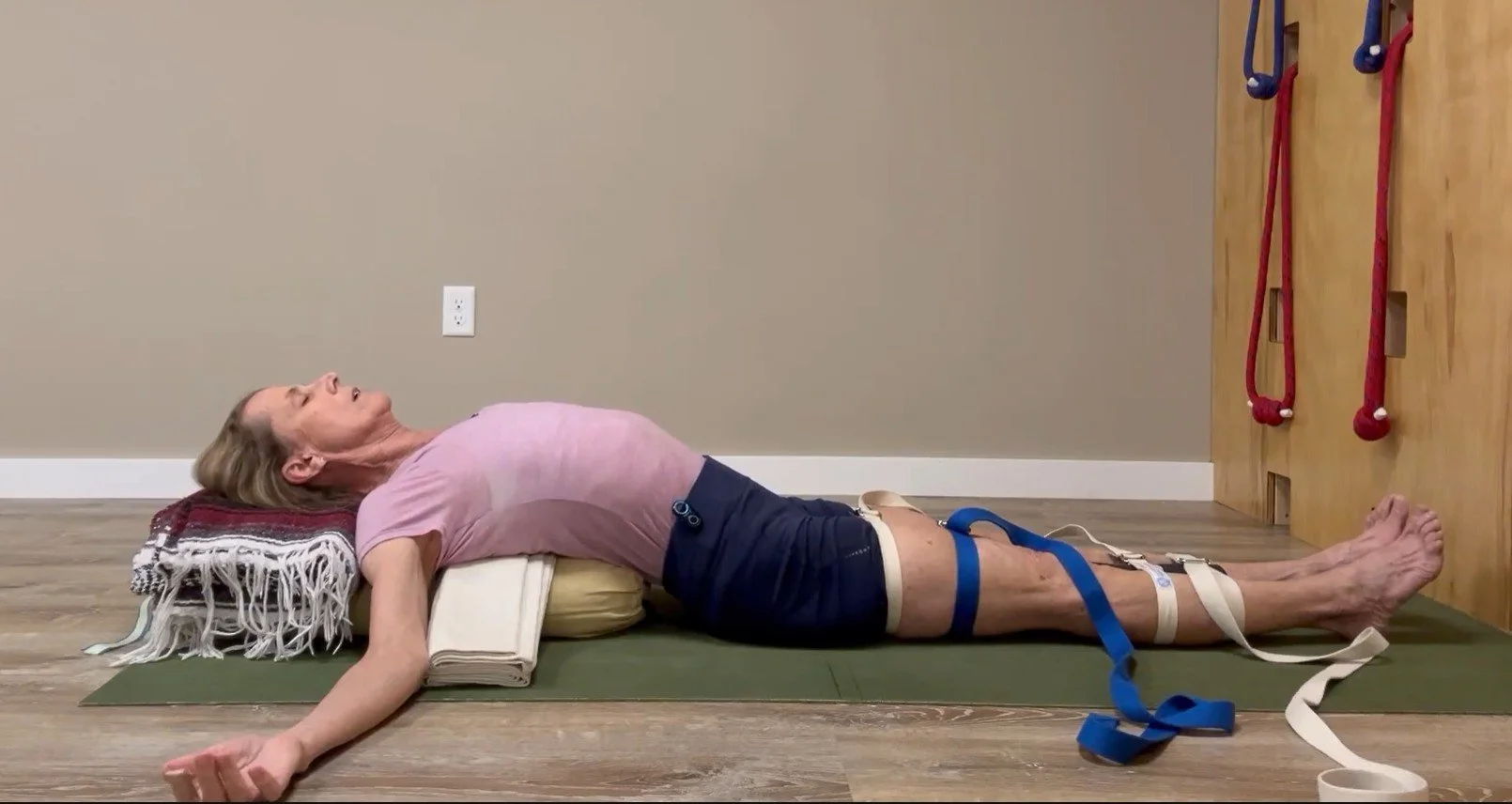
Here are some of the poses and videos from our Yoga as Therapy class.
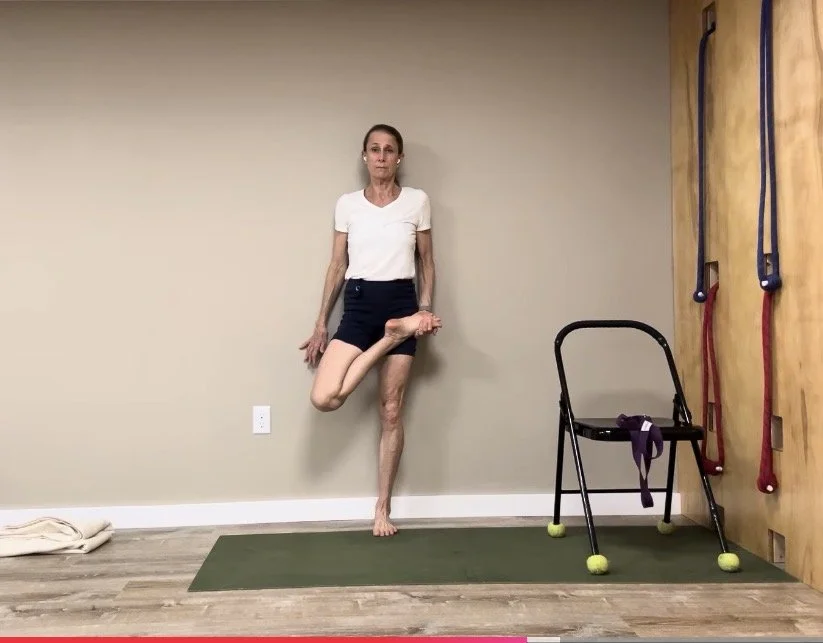
A sequence for: Ardha Baddha Padmottanasana (Half Bound Lotus Forward Bend - Standing) and Ardha Baddha Padma Paschimottanasana (Half Bound Lotus Forward Bend - Seated)
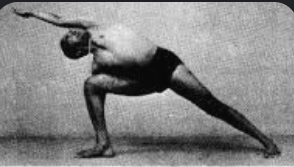
All the standing poses described above are necessary for beginners.
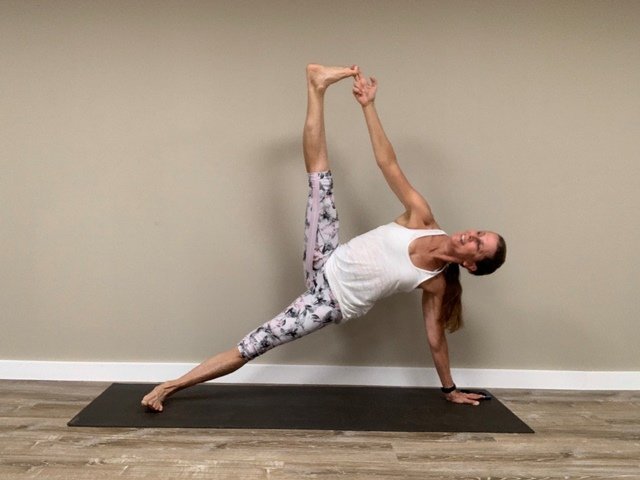
Vasisthasana is an arm balancing pose named after the celebrated sage Vasistha. The English name is Side Plank Pose.
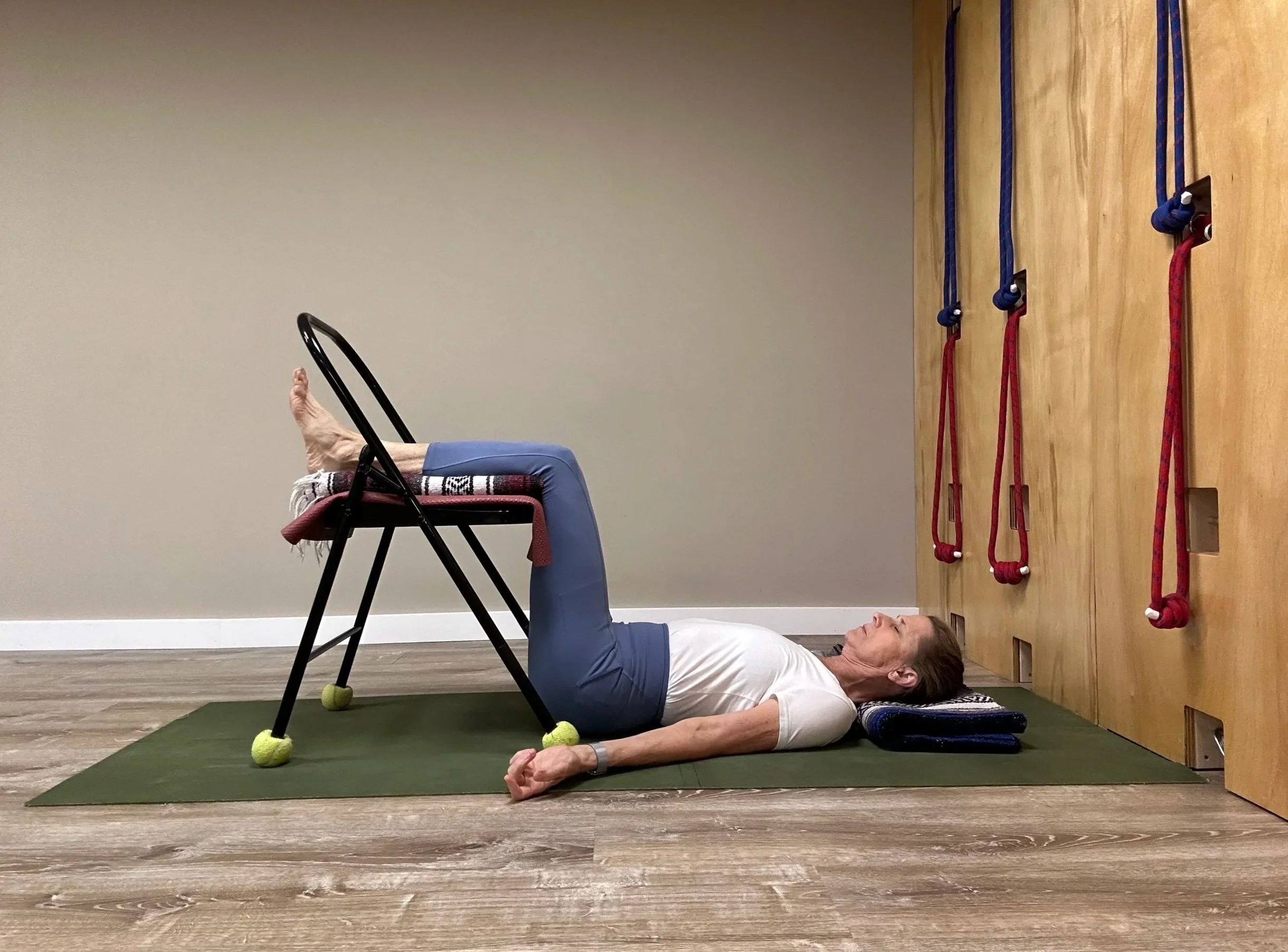
Students experiencing pain or restriction in the spine, joints, and supporting muscles will benefit from a systematic approach grounded in the principles of Iyengar Yoga. Postures are adapted using props to meet individual needs.
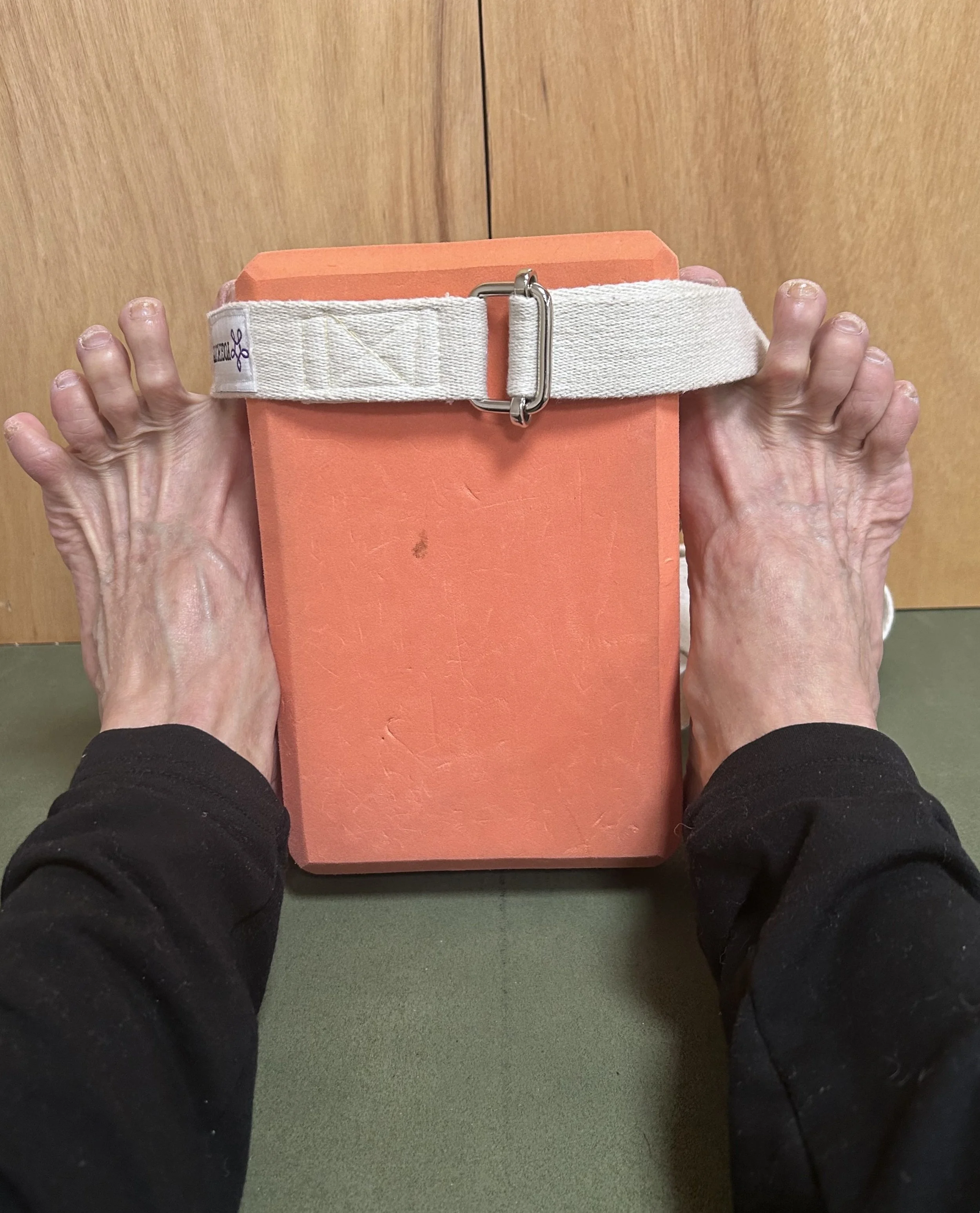
Yoga is mastered only by long, persistent, nonstop practice, with zeal and determination.
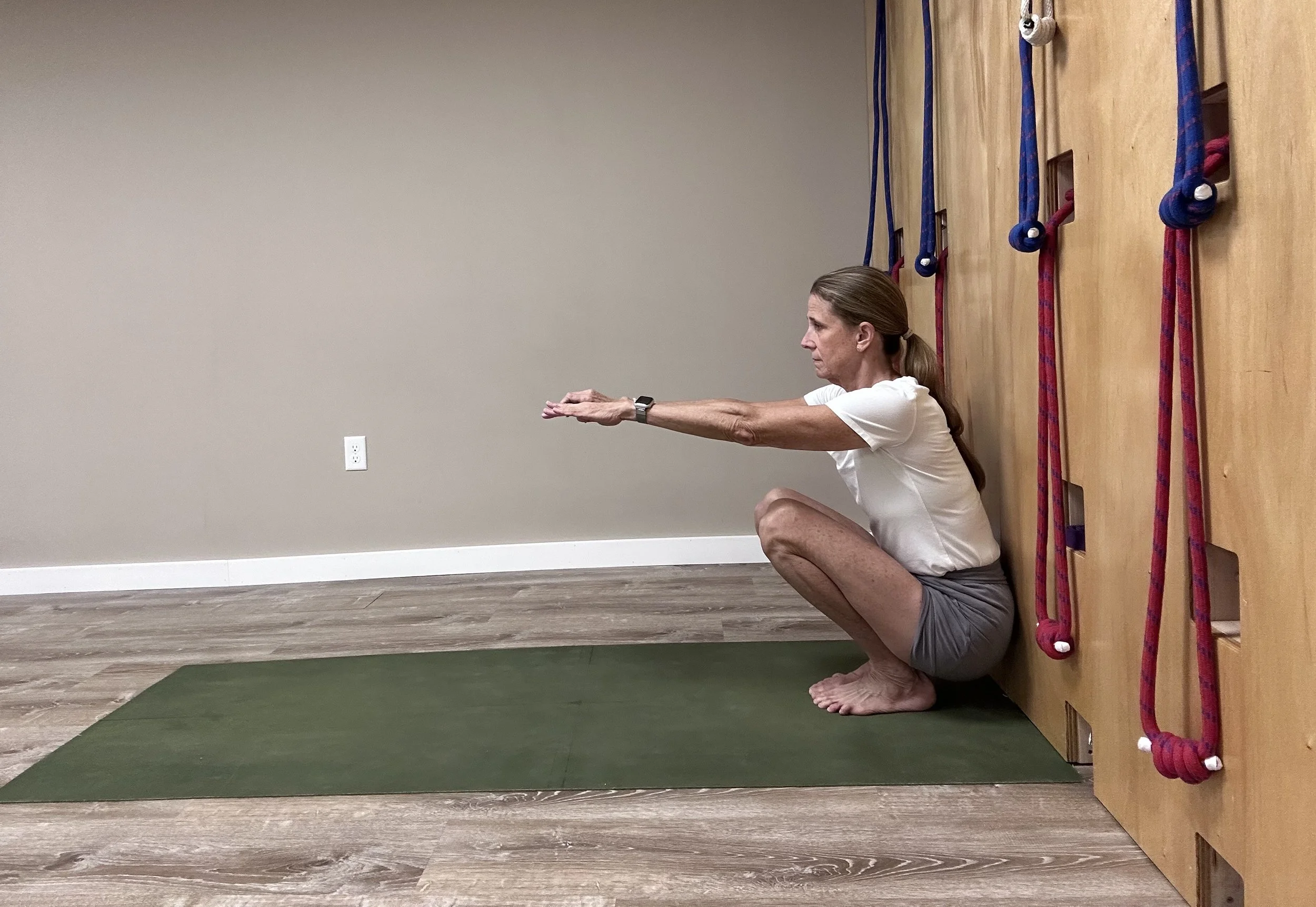
Malasana, or Garland Pose, is one of those benchmark poses that is important to the performance of more advanced poses.

“There is a crack, a crack in everything. That’s how the light gets in.” (I’d think that the light is another word for hope)
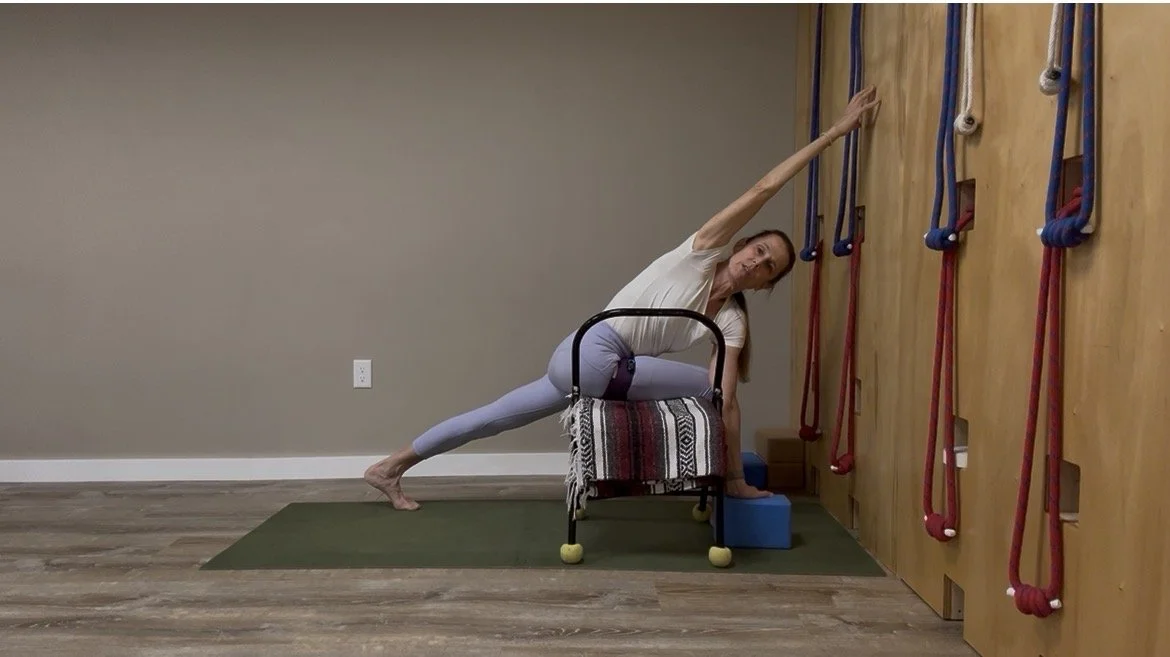
Parivrtta parsva Konasana using a chair for stability in the legs and leverage to turn the trunk.
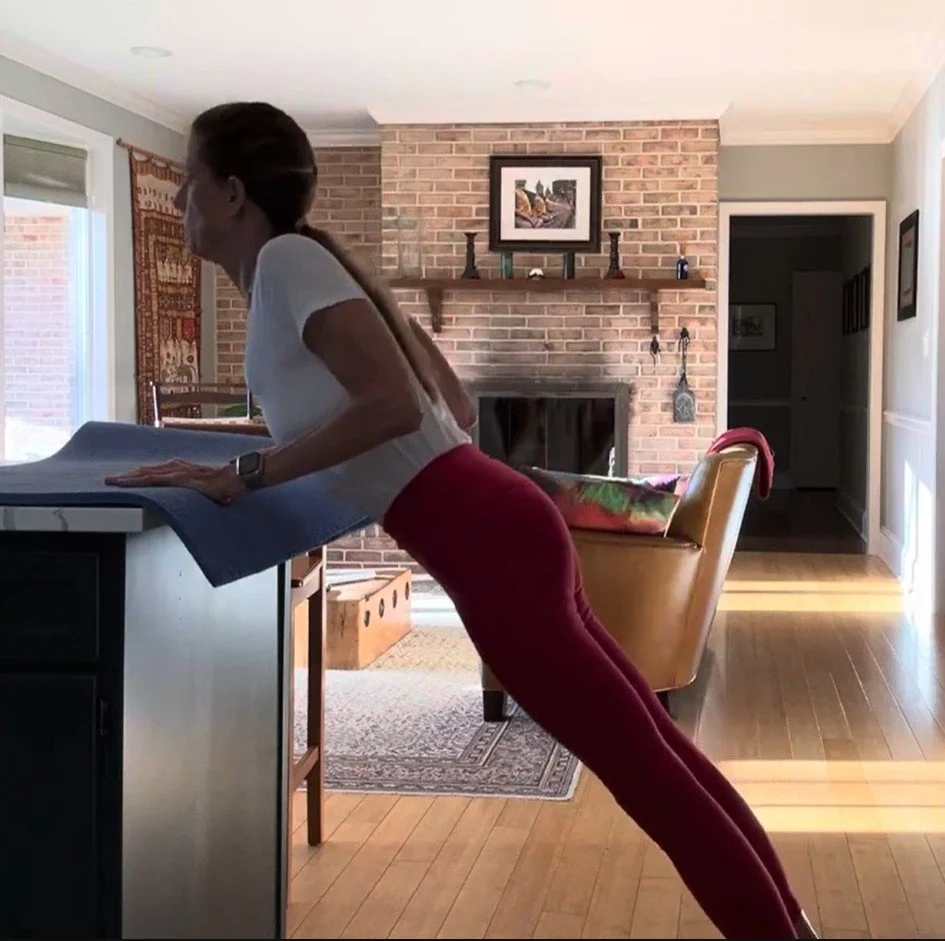
Practice implies a certain methodology, involving effort. It has to be followed uninterruptedly for a long time, with firm resolve, application, attention and devotion, to create a stable foundation for training the mind, intelligence, ego and consciousness. ~ BKS Iyengar
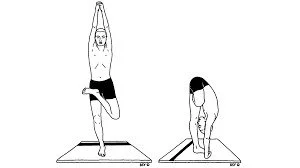
Vrksasana is a Level I pose. Utthita Ardha Padmottanasana (Upright Half Lotus) is a Level 2 pose and is a harder variation of Vrksasana. Can you see the resemblance? It is in the same family of asanas, lateral standing poses.
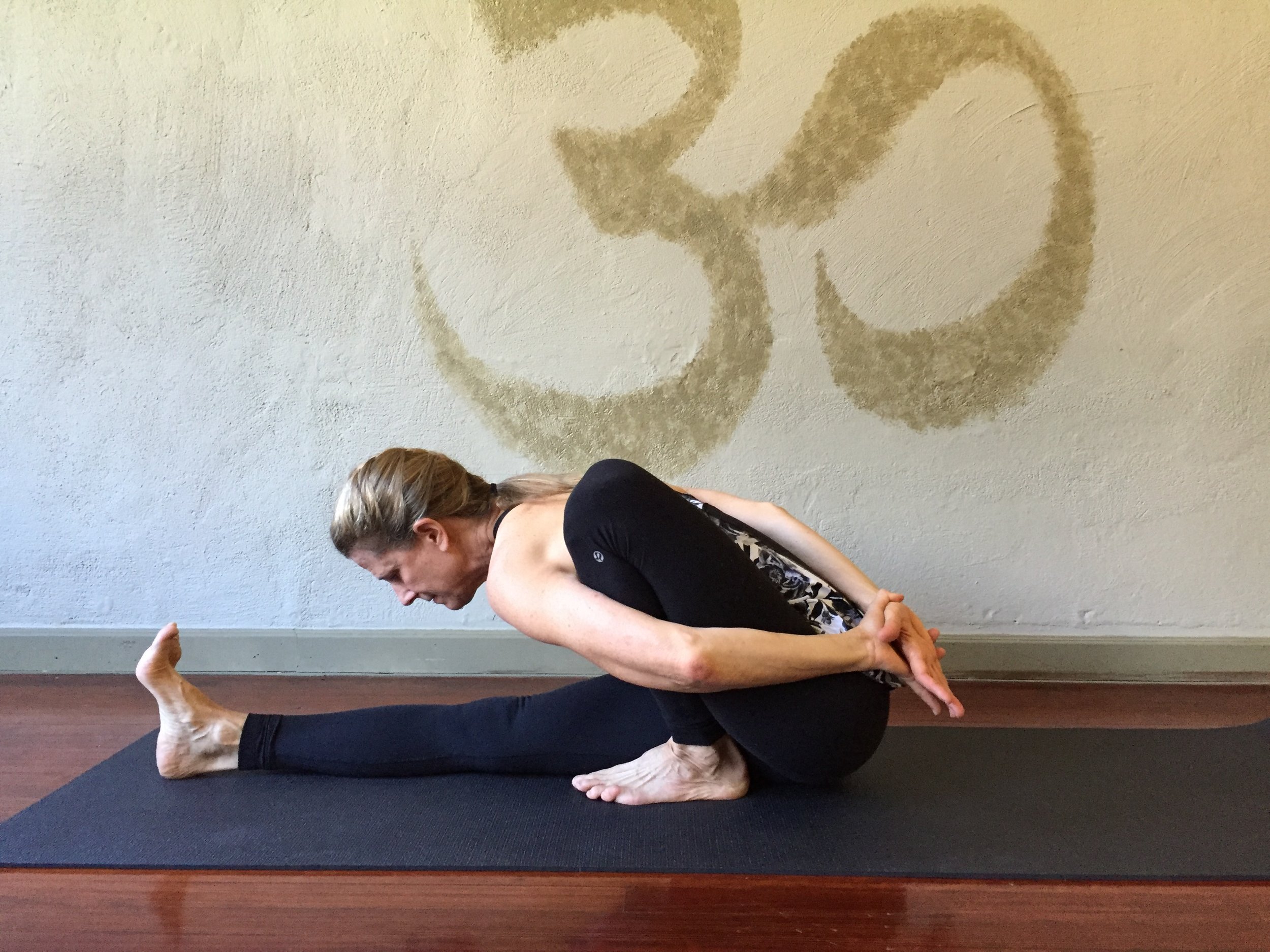
Marichyasana I is a seated forward bend with a bind with one leg in a squat position.

I will practice while I am travelling. Abhyasa (practice) and Vairagya (detachment) are the two wings of yoga.
“The study of asana is not about mastering posture. It is about using posture to understand and transform yourself.” ~ BKS Iyengar

Controlling one’s consciousness to cultivate a yogic mind through sustained practice and dispassion helps prevent injuries and cultivates radical self-acceptance.

Abhyasa is a dedicated, unswerving, constant, and vigilant search into a chosen subject, pursued against all odds in the face of repeated failures, for indefinitely long periods of time.

These two asanas have a magical effect on the mind. When practiced with support they relieve tension, relax the nervous system and rest the brain.

How long is the front of your torso in Adho Mukha Virasana (Child’s Pose)?

If you want to make progress in your yoga practice, it is really important to become a yoga practitioner and to not just be a class goer.

Here are three important steps on how to become a yoga practitioner:

Kurmasana is a deep forward bend with the arms pinned under the thighs.

Sanmukhi Mudra and Savasana may be practiced at any time. If practiced before going to bed, they are ideal for sound sleep

As I am preparing for my assessment, I will be needing 5 or 6 student volunteers to be students in a couple of "Mock Assessments"

As Ram Das taught, “We are all just walking each other home.”

In this post, I lift the curtain a little on what it takes to become an Iyengar Yoga Teacher. For part of my assessment process I have to create a 35 -45 minute inversions practice. This is my initial foray into that element of my assessment.
Future suffering can and should be avoided.